
Weave the Future 2.0: A journey through textiles from seed to stitch
The exhibition Weave the Future 2.0 at the Crafts Museum in Delhi brings together artisans, designers, and farmers to reimagine fashion as a system that connects with nature, tradition, and cultural stories.
Weave the Future
On National Handloom Day, August 7, the Crafts Museum opened its doors to a textile exhibition that goes beyond just fabric and fashion. Titled Weave the Future 2.0 – The Regenerative Edition, the exhibition is organized by the Ministry of Textiles and looks back at the origins of textiles — from soil and seeds to handloom and stitch — and the systems that support them.
Running until August 17, the exhibition gathers more than 30 brands, artisans, designers, and grassroots groups that work with native cotton and regenerative practices. Instead of just showing finished products, it invites visitors to explore the full process of making textiles, where tradition, nature, and design work together to build a more sustainable future.
The first edition of Weave the Future was about upcycling, but this year the focus is even deeper. “It felt natural to go beyond just reusing and ask: what systems support what we consume? Can we heal them, not just keep them going?” says Dr M Beena, Director-Commissioner (Handlooms), who helped shape the exhibition.
This move towards regeneration is both a way of thinking and acting. “It’s about taking care of soil, knowledge, culture, and respect across the textile chain. It helps connect the land, the maker, and the wearer,” she explains.
A living story
The exhibition takes place in the village complex of the Crafts Museum and unfolds like a story. From spinning tools and traditional gins to modern clothes and sound installations, every item is chosen for the story it tells about the life of textiles.
The story starts with a ‘seed altar’ — an installation that shows indigenous cotton types, soil samples, and tools used to preserve them. “A cotton seed might look small, but it carries a lot — history, land, struggle, trade, and hope,” Dr Beena says. Another highlight is Cotton 2.0 by Kora Design Collaborative, which shows the whole process of 12 native cotton types — from growing to weaving by hand.
Weave the Future: Textile designer Sonam Khetan’s soundscape captures disappearing natural noises, while Lafaani’s textiles printed with dried flowers and temple offerings reflect on memory and the sacredness of handcrafted work.
“We wanted this edition to be more about experience than just learning,” says Dr Beena.
“Art helps you pause, feel before you understand. The installations are invitations — to sit, listen, touch, and slow down.” Weave the Future.
Connecting the system
The exhibition avoids a single view of sustainability. It brings together farmers, weavers, policy makers, and design teams to highlight the roles they each play in the bigger picture of the textile world. Groups like Khamir and OOO Farms, along with fashion brands such as Dhi Earth, Indigene, and 11.11, are part of the initiative.

“We made sure everyone could speak for themselves through their work, words, and presence,” Dr Beena says.
“We didn’t try to make everyone the same, but instead honored their differences as part of a shared system.”
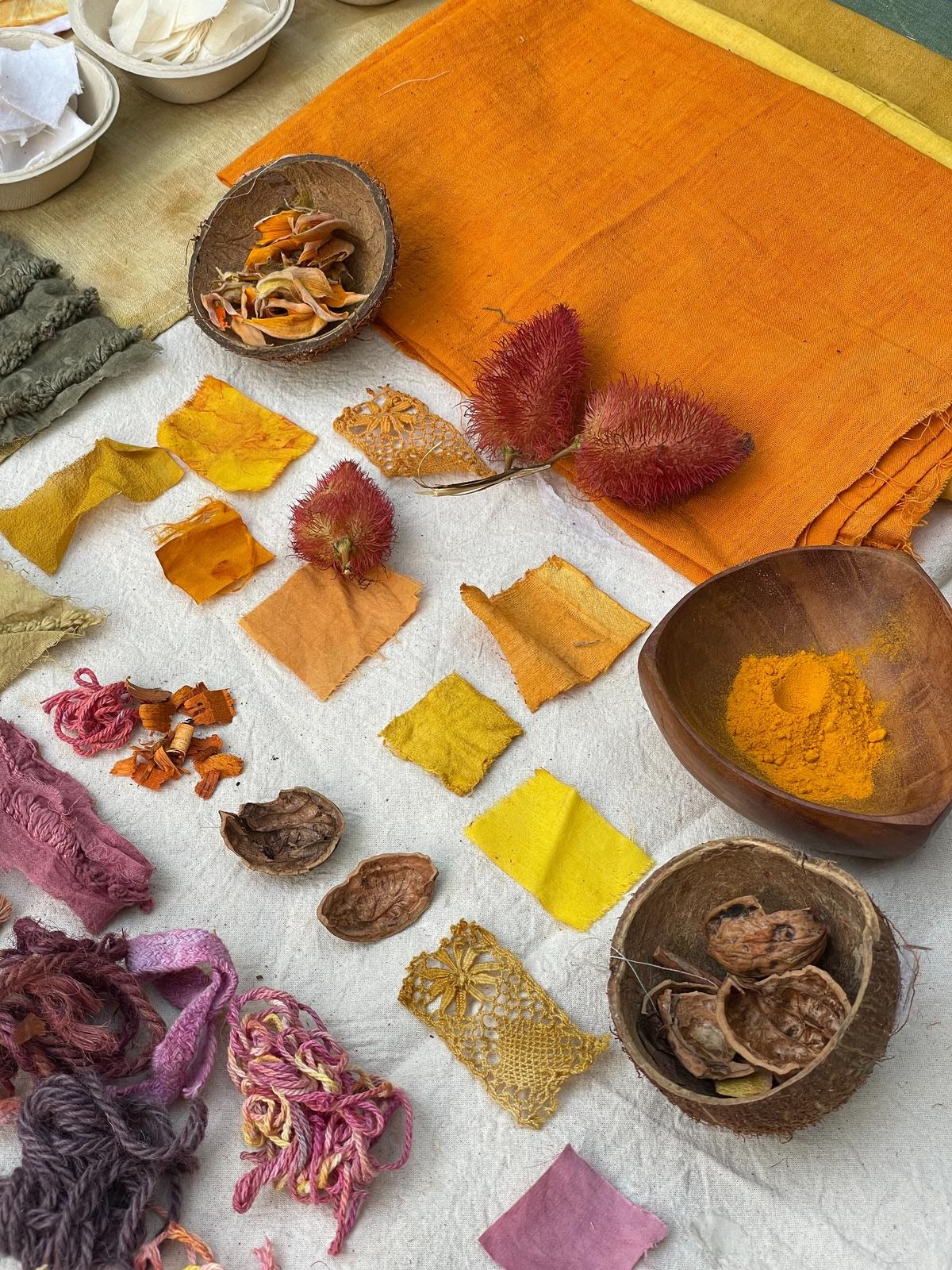
Alongside the exhibition, there are workshops that include a natural dye lab, interactive sessions on cotton processing, and discussions on climate change and community strength. These are meant to start conversations and help the public understand where textiles really come from.
Reviving local cotton
At the center of Weave the Future 2.0 is a quiet movement: the revival of local cotton. Varieties like Kala cotton, Punasa cotton, Gavran Kapus, and Kondapatti make up just 2–3% of cotton grown in India today, but they carry great ecological and cultural value.
“These types of cotton are stronger, need fewer chemicals, and work better with local climates,” Dr Beena says.
“They also support local systems that preserve jobs and knowledge.”
The exhibition argues for a return to these climate-friendly cottons and the traditional methods — like hand spinning, hand weaving, and using low-energy tools — that support community-based, sustainable economies.
Beyond the museum
Though the exhibition is only open for 10 days, its mission is long-term. Plans are being made for open educational resources, projects in design schools, and meetings that connect cotton growers with sustainability goals.
“We see this exhibition as a seed,” says Dr Beena. “What moved me most was the gap between people wanting to make better choices and how difficult the system makes it. This is about making hidden efforts visible and closing that gap.” Weave the Future
