
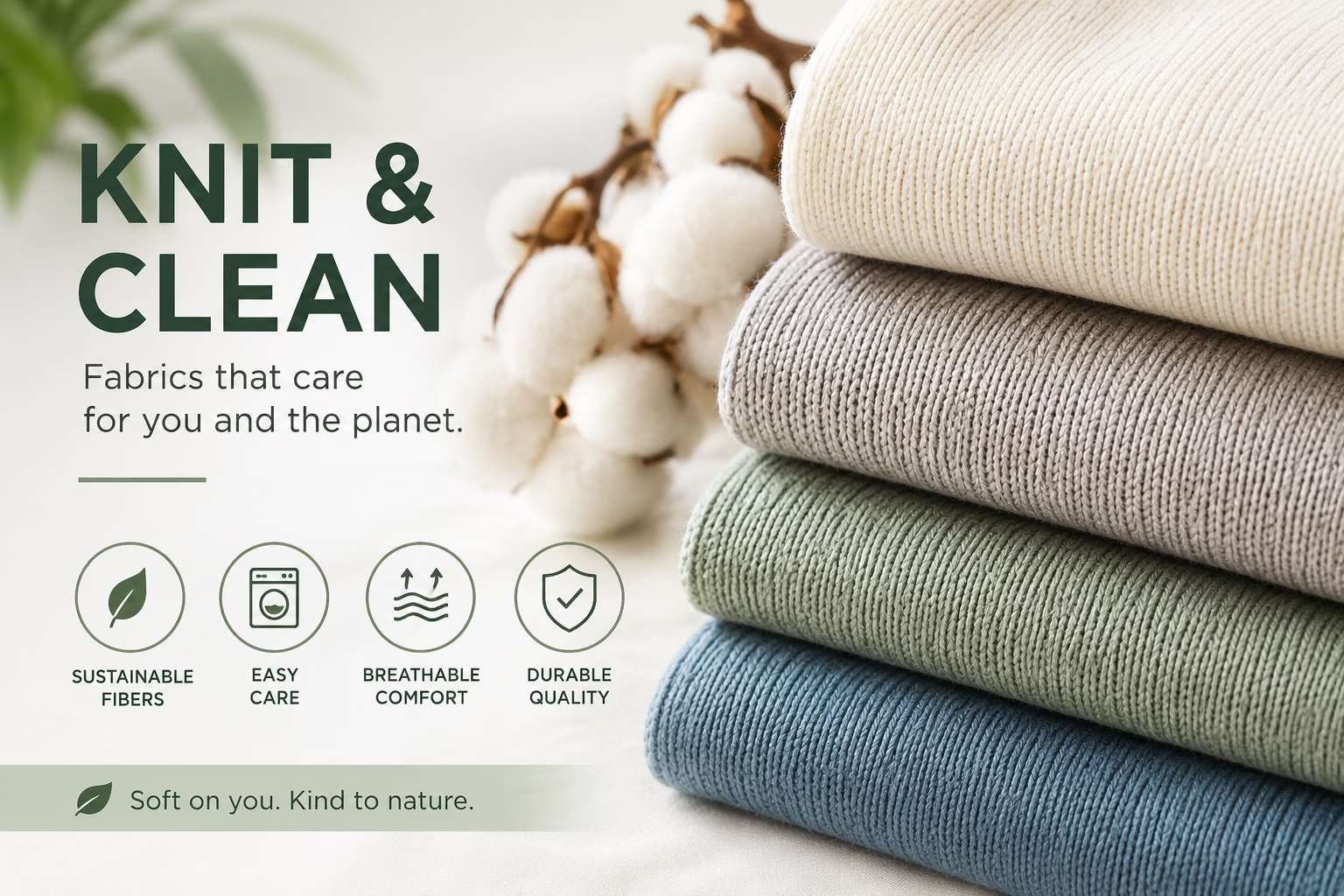
From Fiber to Fabric: How Yarn Engineering Is Driving the Next Generation of Textile Quality
The textile industry is undergoing a quiet but significant transformation. While fabric design, finishing and garment innovation often receive the most attention, one of the biggest advances is happening much earlier in the value chain—at the yarn level.
Today, yarn engineering is becoming a critical factor in determining the quality, performance and sustainability of modern textiles. From improving softness and durability to enabling moisture management, stretch and functional performance, the way a yarn is designed can fundamentally change the final fabric.
Engineering Begins at the Fiber Stage
Every textile begins with a fiber, but not every fiber behaves the same way. Natural fibers such as cotton, wool and linen have unique characteristics, while synthetic fibers including polyester, nylon and elastane offer different performance advantages.
Modern yarn engineering focuses on selecting and combining fibers based on the final application. Fiber length, fineness, strength, maturity and surface characteristics are carefully considered before spinning begins.
For example, finer fibers can contribute to softer fabrics, while stronger fibers can improve durability. Blending different fibers can create a balance between comfort, strength and cost efficiency.
This means textile manufacturers are no longer simply spinning fibers into yarn—they are engineering yarns for specific performance requirements.
The Science of Yarn Structure
The structure of yarn plays a major role in determining how a fabric will perform. Factors such as twist level, yarn count, hairiness and evenness directly influence the appearance and feel of the final textile.
A higher twist may improve yarn strength, while a lower twist can create a softer and bulkier feel. Compact spinning technologies help reduce yarn hairiness and improve surface smoothness, contributing to cleaner-looking fabrics.
Similarly, innovations in air-jet, rotor and ring spinning technologies are allowing manufacturers to develop yarns with different structural properties for different end uses.
The result is greater control over fabric quality from the very beginning of the manufacturing process.
Better Yarn Means Better Fabric
The impact of yarn engineering becomes clearly visible when the yarn is converted into fabric.
High-quality and uniform yarns can improve:
- Fabric strength and durability
- Surface smoothness
- Softness and comfort
- Colour consistency
- Pilling resistance
- Dimensional stability
- Moisture management
- Stretch and recovery
For textile manufacturers, this creates an important advantage. Instead of relying only on chemical finishes to improve fabric performance, many properties can now be built directly into the yarn structure.
Functional Yarns Are Creating New Opportunities
The growing demand for performance textiles is accelerating innovation in yarn development.
Today’s engineered yarns can be designed for applications such as:
- Sportswear and activewear
- Protective clothing
- Medical textiles
- Automotive interiors
- Technical textiles
- Smart textiles
- Sustainable fashion
Moisture-wicking yarns, antimicrobial yarns, conductive yarns and high-strength industrial yarns are expanding the possibilities of what textiles can do.
In sportswear, for example, yarn structure can influence how efficiently a fabric moves sweat away from the skin. In protective textiles, engineered yarns can contribute to heat resistance and mechanical strength.
The future of textile performance increasingly starts with the yarn.
Sustainability Is Also Changing Yarn Development
Sustainability is another major force driving yarn innovation.
Manufacturers are exploring recycled fibers, regenerated cellulose, agricultural waste fibers and lower-impact production processes. However, using sustainable raw materials alone is not enough. These fibers must also be engineered into yarns that meet modern quality and performance expectations.
This has created new challenges for spinning technology.
Recycled fibers, for instance, may have shorter staple lengths compared to virgin fibers. Yarn engineers are developing new blending strategies and spinning techniques to maintain strength and consistency while increasing recycled content.
The ability to engineer high-quality yarn from alternative raw materials will play a major role in building a more circular textile industry.
Digital Technology Is Improving Yarn Quality
Digitalization is also entering the spinning floor.
Advanced sensors and automated quality monitoring systems are helping manufacturers track important parameters during production. Modern spinning mills can monitor yarn evenness, imperfections and production efficiency in real time.
Data-driven manufacturing enables faster identification of quality issues and reduces material waste.
As automation becomes more common, yarn engineering will become increasingly precise. Manufacturers will be able to develop yarn specifications based on the exact requirements of a fabric or customer rather than relying on standard production formulas.
Customization Will Become the New Standard
One of the most exciting developments in yarn engineering is the movement toward customization.
Fashion brands and technical textile companies are demanding materials with increasingly specific characteristics. A single standard yarn may no longer meet every requirement.
Future textile production could involve yarns engineered specifically for:
- Ultra-soft premium apparel
- Lightweight performance fabrics
- Durable workwear
- Circular fashion products
- Smart wearable technologies
- Climate-responsive textiles
This shift will create stronger collaboration between fiber producers, spinning mills, fabric manufacturers and brands.
The Future Starts with the Yarn
For decades, yarn has often been viewed simply as an intermediate material between fiber and fabric. That perception is changing rapidly.
Yarn is becoming a platform for innovation.
The next generation of textile quality will not depend only on better machines or advanced fabric finishes. It will increasingly depend on how intelligently fibers are selected, blended, spun and engineered.
From sustainability and comfort to durability and advanced functionality, the future of textiles is being shaped strand by strand.
