
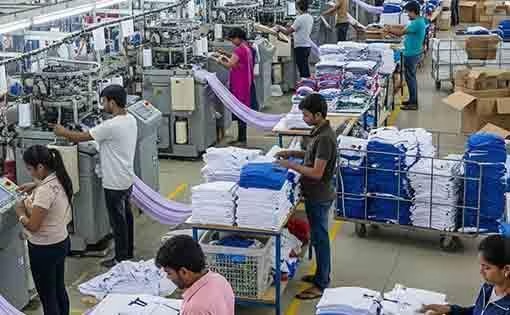
Tamil Nadu textile sector eyes Europe, UK for growth as trade deals open new export opportunities
The textile and clothing industry in Tamil Nadu is getting ready to boost exports to Europe and the UK as new free trade agreements are likely to make Indian products more competitive and lessen the industry’s reliance on the US market.
Industry leaders believe that these trade deals with the European Union and the UK could greatly improve India’s standing in global textile exports by creating equal tariff conditions with other manufacturing countries.
Exporters have noticed that European buyers are starting to engage more with Indian suppliers and are slowly shifting their sourcing away from countries like Bangladesh and Vietnam.
After facing challenges last year due to tariff issues in the US market, the sector is now actively looking to diversify its markets to minimize risks from depending on a single export location.
Manufacturers are working to strengthen their presence in Europe by taking part in international trade fairs, opening more overseas showrooms, launching strong marketing efforts, and hiring local representatives to connect better with customers and buyers.
Industry experts have pointed out that European and UK buyers have begun placing trial orders with Indian manufacturers as they await the trade agreements to take effect.
Many exporters are also enlarging their vendor networks and forming production partnerships to be ready for increased order volumes once the agreements come into play.
Analysts in the industry expect the advantages of these trade deals to become clearer starting in the 2027-28 financial year, predicting strong double-digit growth in textile export revenues.
Experts think this shift could bring in new long-term investments in India’s textile sector, especially in manufacturing, processing, and clothing production.
However, participants in the industry mention that expanding capacity is a significant challenge.
While some companies are boosting their domestic production capabilities, others are looking at partnerships with foreign factories to grow without needing large amounts of capital.
During the 2024-25 financial year, India’s textile exports to the European Union and the United Kingdom reached nearly $10 billion.
Industry estimates suggest that this amount could rise significantly in the coming years if the trade agreements are successfully implemented and global sourcing trends continue to shift in India‘s favor.
