
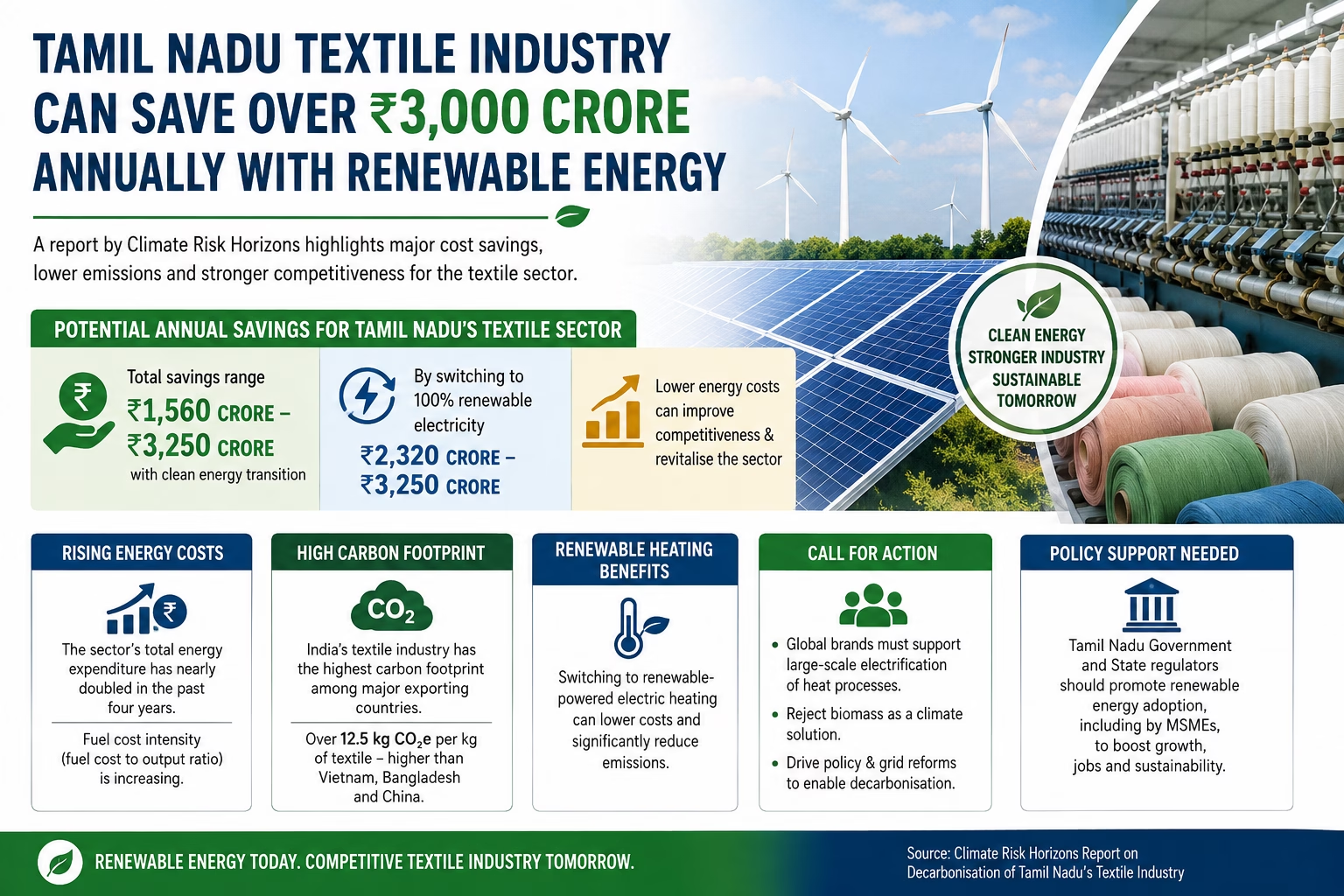
Tamil Nadu’s textile industry has the potential to significantly reduce production costs and strengthen its global competitiveness by embracing renewable energy solutions, according to a recent report released by Bengaluru-based climate research organization Climate Risk Horizons.
Renewable Energy Adoption
The study highlights that the State’s textile sector could achieve annual savings ranging from ₹1,560 crore to ₹3,250 crore through various clean energy initiatives. Among these, shifting completely to renewable electricity could generate savings of approximately ₹2,320 crore to ₹3,250 crore every year.
Rising Energy Costs Affecting Competitiveness
The report points out that increasing fuel and energy expenses have become a major concern for textile manufacturers in Tamil Nadu. Over the last four years, the industry’s overall energy expenditure has nearly doubled, placing additional pressure on production costs.
Tamil Nadu’s textile exports, which have remained largely stagnant at around USD 7.4 billion since 2017, are facing growing competition from other textile-producing nations. Experts believe that reducing dependence on conventional fuels can help improve profit margins and revive export growth.
According to Rakesh Ranjan, co-author of the report, renewable energy adoption can substantially lower operating expenses while enhancing the sector’s long-term competitiveness in international markets.
India’s Textile Sector Faces High Carbon Footprint
The report also reveals that India’s textile industry currently records one of the highest carbon footprints among major textile-exporting countries. Emissions exceed 12.5 kilograms of carbon dioxide equivalent (CO₂e) per kilogram of textile produced, surpassing levels seen in countries such as Vietnam, Bangladesh, and China.
This environmental challenge is becoming increasingly important as global brands and buyers seek suppliers with lower carbon emissions and sustainable manufacturing practices.
Renewable-Powered Heating Offers Additional Benefits
The analysis suggests that replacing conventional fuel-based heating systems with renewable-powered electric heating technologies can deliver dual advantages. Manufacturers can lower energy costs while simultaneously reducing greenhouse gas emissions, making their operations more sustainable and attractive to environmentally conscious international buyers.
Call for Industry and Policy Support
Climate Risk Horizons Director Ashish Fernandes emphasized that global apparel and textile brands sourcing from India should actively support the large-scale electrification of industrial heat processes. The report also recommends avoiding biomass as a long-term climate solution and instead focusing on renewable electricity, modern technologies, and supportive policy reforms.
The researchers further urged the Government of Tamil Nadu and state electricity regulators to create favorable policies that encourage renewable energy adoption across textile units, including micro, small, and medium enterprises (MSMEs). Such measures could help drive economic growth, increase employment opportunities, and strengthen the state’s position as a leading textile manufacturing hub.
A Sustainable Path Forward
As energy costs continue to rise and sustainability becomes a key requirement in global supply chains, renewable energy presents a strategic opportunity for Tamil Nadu’s textile industry. By investing in clean power and energy-efficient technologies, the sector can improve profitability, reduce environmental impact, and secure a stronger position in the international textile market.
